
Table of content
- Understanding Insulin: A Quick Overview
- Who Actually Needs Insulin?
- Prescription Insulin vs. OTC Insulin
- Insulin You Can Buy Without a Prescription (OTC Insulin)
- Insulin That Requires a Prescription
- Why Is Insulin Prescription Status So Confusing?
- Benefits of Insulin for Diabetics
- Safety Precautions When Buying Insulin Without a Prescription
- Final Thoughts: Your Health Comes First
- Frequently Asked Questions
For millions of people living with diabetes, insulin is not optional—it is life-sustaining. Insulin access and operation in the U.S. can be gruelling, particularly as it frequently requires a prescription as well. Still, in some cases, like uninsured individuals who experience a hard time getting a prescription, but still require insulin. And the question that arises then is, ‘Do You Need a Prescription for Insulin, or are there any over-the-counter options available?’
This question is usually driven by fear, confusion, cost pressure, or an emergency. People worry about running out of insulin, being denied at the pharmacy, or not being able to afford their medication. In this guide, we’ll answer the question clearly, address real user pain points, and help you understand your safe and legal options.
Key Takeaways
- Some older insulin types are available OTC
- Most modern insulin requires a prescription
- OTC insulin is not ideal for long-term management
- Running out of insulin is a medical emergency
Understanding Insulin: A Quick Overview
Insulin is a hormone that helps regulate blood sugar levels. For people with Type 1 diabetes and many with Type 2 diabetes, insulin therapy is essential to survive and prevent serious complications.
There are different types of insulin, and prescription rules vary depending on the type:
- Rapid-acting insulin (e.g., Humalog, Novolog)
- Short-acting insulin (Regular insulin)
- Intermediate-acting insulin (NPH insulin)
- Long-acting insulin (e.g., Lantus, Levemir, Tresiba)
- Premixed insulin
Understanding these differences is critical when asking whether a prescription is required.
Who Actually Needs Insulin?
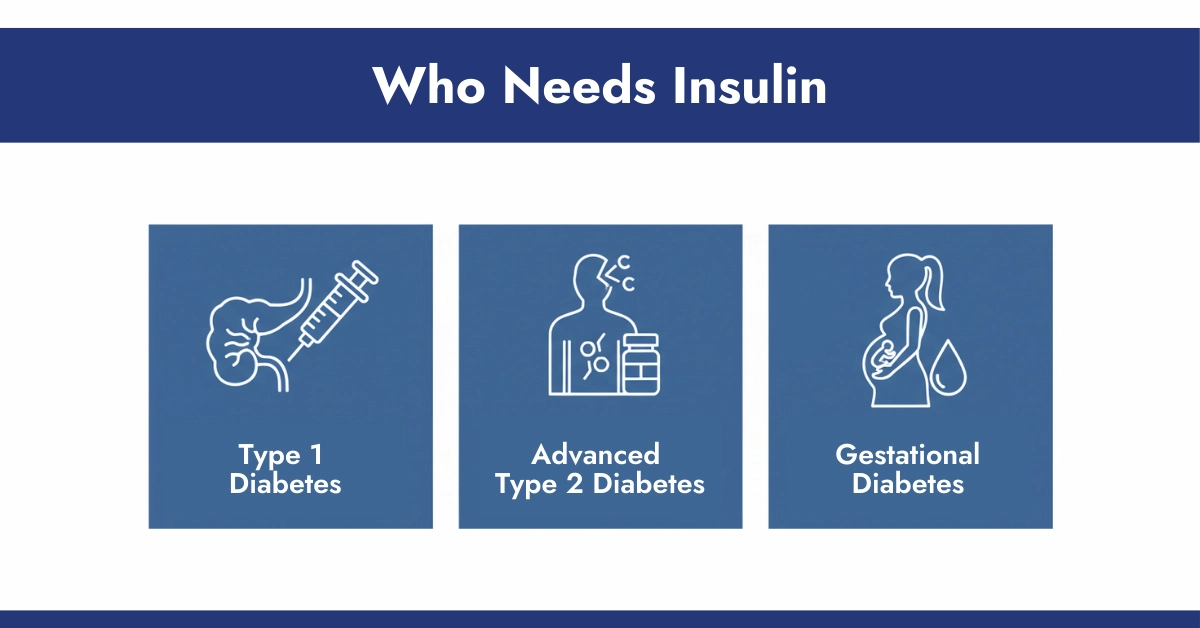
Insulin therapy is essential for people with:
- Type 1 Diabetes – The bodies of people with type 1 diabetes are unable to produce insulin, therefore, they become insulin dependent.
- Advanced Type 2 Diabetes – If not controlled at early stages and with proper lifestyle changes, oral medications become ineffective, causing the need for insulin therapy.
- Gestational Diabetes – During pregnancy, women may develop diabetes, and this type of diabetes often goes away after childbirth. However, controlling this blood sugar is critical for the health of both mother and child; therefore, if needed, insulin may be administered.
Note: Type 1 patients are at higher risk if insulin access is interrupted. Get to know what happens if you take insulin after food.
Prescription Insulin vs. OTC Insulin
- Prescription Insulin includes rapid-acting insulins (e.g., insulin lispro), long-acting insulins (e.g., insulin glargine), and concentrated insulins (e.g., U-500).
- Over-the-Counter (OTC) Insulin generally includes regular human insulin and NPH insulin. The availability of OTC insulin without a prescription varies by state and pharmacy. While some pharmacies may offer these products without requiring a prescription, others may have policies that enforce the need for one.
Insulin You Can Buy Without a Prescription (OTC Insulin)
Certain older human insulin products are legally sold over the counter.
Common OTC Insulin Options
- Regular (R) insulin
- NPH insulin
These are often sold under store-brand programs (such as Walmart’s ReliOn insulin).
Important Things to Know About OTC Insulin
- These insulins are older formulations
- They have a slower onset and longer peak times
- They require careful meal timing
- Risk of hypoglycemia is higher if used incorrectly
OTC insulin is not a direct replacement for modern insulin analogs without medical guidance.
Insulin That Requires a Prescription
Most people today use insulin analogs, which closely mimic the body’s natural insulin response.
Prescription-Only Insulin Includes:
- Rapid-acting insulin (Humalog, Novolog, Apidra)
- Long-acting insulin (Lantus, Levemir, Tresiba)
- Ultra-rapid insulin (Fiasp, Lyumjev)
- Insulin pump-compatible insulin, like Minimed 780G or 770G.
These insulins require a prescription because:
- They are potent and fast-acting
- Dosing must be precisely managed
- Incorrect use can cause severe hypoglycemia
Consider Point: As explained by Medscape, higher concentrations, such as U-500 or insulin analogs (modified insulin for diabetes management), require a prescription.
Why Is Insulin Prescription Status So Confusing?
Many users experience confusion due to:
- Different rules for different insulin types
- Inconsistent pharmacy policies
- Outdated online information
- Emergencies with no clear guidance
This confusion often leads people to search in panic when they are about to run out of insulin.
Did you know?
The new Freestyle Libre 2 Plus Sensor is a continuous glucose monitor (CGM) that not only gives 24/7 glucose readings without finger pricks but is also compatible with automatic insulin delivery (AID) systems like Omnipod 5.
Benefits of Insulin for Diabetics
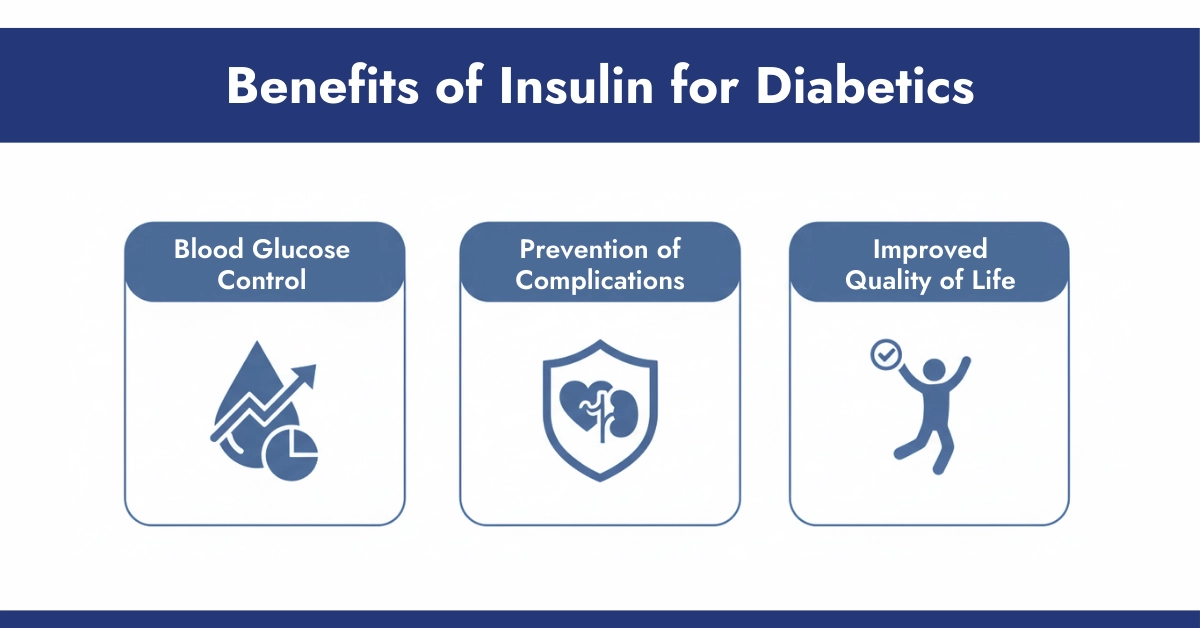
- Blood Glucose Control – Insulin therapy helps maintain blood sugar within a healthy range.
- Prevention of Complications – Helps reduce the risk of long-term complications such as neuropathy, retinopathy, and nephropathy.
- Improved Quality of Life – Enables individuals to lead active lives with fewer restrictions.
Safety Precautions When Buying Insulin Without a Prescription
Take these precautions if you’re planning to buy insulin without a prescription:
Verify Pharmacy Policies – Make sure the pharmacy is reputable and follows state regulations. Also, ensure that the chosen pharmacy is following insulin dispensing guidelines.
Avoid Online Purchases – Improper storage of insulin or counterfeit insulin can be dangerous. Therefore, be cautious about whom you buy insulin from, especially if it’s an online seller. Try avoiding online medication purchases.
Educate Yourself – Knowing what insulin type you use, its action profile, and proper administration techniques are critical for maintaining safe administration.
Seek Support – There are diabetes support groups on social media platforms, e.g., Facebook. You may also find help on platforms like Reddit. Not only can you understand insulin therapy better and navigate your condition, but you may also be privileged with professional support.
Final Thoughts: Your Health Comes First
The question “Do you need a prescription for insulin?” is rarely just informational—it’s emotional and urgent. It reflects fear, financial stress, and real health risks. If you or a loved one depends on insulin, the goal should always be safe, consistent, and medically guided access. While OTC insulin can be a temporary option, it should never replace proper diabetes care. We Cgm Monitors recommend you to et healthy and stay healthy and always carry cgm sensor like the new Dexcom G7, along with extra refills of insulin, to tackle an emergency within minutes.
Disclaimer: This blog is only for educational purposes. Always consult a healthcare specialist before taking any medical action.
Frequently Asked Questions
Who can prescribe insulin?
Any licensed healthcare provider with prescribing authority—such as an endocrinologist, primary care physician, nurse practitioner, or physician assistant—can prescribe insulin. You do not need to see a specialist; a regular doctor, urgent care provider, or clinic physician can usually issue an insulin prescription quickly.
How can I get insulin without a prescription in an emergency?
In a true emergency—such as running out of insulin completely—you can purchase older human insulins like Regular (R) or NPH insulin over the counter at many pharmacies (for example, ReliOn brand). These typically cost around $25 per vial and do not require a prescription in most states. These are not the same as modern insulin analogs, so dosing must be adjusted carefully, and you should seek medical care as soon as possible to avoid blood sugar instability or hypoglycemia.
How do I get a prescription for insulin?
You can schedule an appointment with your primary care doctor, endocrinologist, urgent care provider, or a licensed telehealth provider. After a brief evaluation of your diabetes history and glucose control, they can prescribe insulin. Many retail pharmacy clinics and community health clinics also offer affordable, fast access to insulin prescriptions.
How do insurance companies affect insulin prescription access?
Insurance plans determine which insulin brands are covered, how much you pay out of pocket, and whether prior authorization or step therapy is required. These requirements can delay access. Since 2023, many plans—including Medicare Part D—cap insulin costs at $35 per month, but formularies vary, so it’s important to verify coverage and use manufacturer savings programs when available.
What types of insulin require a prescription?
All modern insulin analogs—such as Humalog, Novolog, Lantus, Tresiba, Levemir, and Fiasp—require a prescription in the U.S. Only older human insulins, specifically Regular (R) and NPH insulin, are available over the counter at select pharmacies.
What information do I need to provide to get an insulin prescription?
During your appointment, you’ll typically provide your diabetes type, recent blood sugar readings or A1c, current medications, weight and height, and insurance details if applicable. Bringing a glucose log or meter/CGM data helps the provider determine the safest insulin type and dosage quickly.
What are the most common barriers to getting an insulin prescription?
The biggest challenges include high costs, lack of insurance or high deductibles, insurance prior authorization delays, and difficulty getting timely doctor appointments. Pharmacy stock issues, insulin shortages, or not having an established healthcare provider can also delay refills.
Why do some insulin types require a prescription while others do not?
Modern insulin analogs require a prescription because they are more potent, fast-acting, or concentrated and require medical oversight to ensure safe dosing. Older human insulins (Regular and NPH) have been used for decades and were classified by the FDA as safe for over-the-counter sale when used as directed.
Why is getting an insulin prescription sometimes difficult?
Prescription delays often result from insurance bureaucracy, prior authorization requirements, step therapy rules, high list prices, and limited access to affordable healthcare visits. Even after approval, pharmacy inventory issues or sudden coverage changes can delay refills, forcing some patients into emergencies.

Write a comment
Your email address will not be published. All fields are required