
Table of content
- How Does Blood Sugar Affect Eyesight?
- Early Stage of Diabetes Eyes Symptoms: Must Ponder
- Diabetic Associated Eye Disease and Vision Loss Risks
- Risk Factors for Diabetic Eye Complications
- How Long Does It Take to Go Blind from Diabetes?
- Diabetes and Eye Care: Protecting Your Vision
- Conclusion
- Frequently Asked Questions
A million or so suffer from a chronic disease that changes how their body deals with blood sugar, or glucose, in the global population. Many associate it with being prone to heart disease and problems with the kidneys.
One of its most serious complications is its impact on vision. Many people ask, “Does diabetes affect the eyes? If yes, then how long does it take to go blind from diabetes?” Understanding this requires knowledge of how diabetes affects the eyes and what steps you can take to protect your eyesight.
Diabetes and eyesight are closely linked because high blood sugar levels can damage the delicate blood vessels in the eyes, leading to diabetic eye problems over time. Without proper management and regular diabetes eye tests, this damage can progress to diabetes blindness, sometimes irreversibly.
In this comprehensive guide, we’ll explore how blood sugar affects eyesight, early warning signs, diabetic eye diseases, preventive care strategies, and modern treatment options. This article is written with clinical insight and patient-focused clarity to help you protect your vision with confidence.
How Does Blood Sugar Affect Eyesight?
Yes, diabetes directly impacts ocular health. When blood glucose levels remain high over time, they damage small blood vessels throughout the body. Difficult vision, eye pain and double vision are the common symptoms.
High levels of eye glucose can cause:
- Swelling of the eye lens
- Damage to retinal blood vessels
- Increased risk of cataracts and glaucoma
- Permanent vision loss in advanced cases
How High Blood Sugar Damages Eye Blood Vessels
The retina contains delicate microvascular structures. When the blood sugar level becomes extremely high, it can cause these vessels to leak or block some of them, which affects the flow of blood that normally occurs to the retina. Over time, this leads to diabetic retinopathy, the leading cause of vision loss due to diabetes. A type of condition that happens when high blood sugar levels damage the tiny blood vessels at the back of your eye is called diabetic retinopathy and is one of the most common serious complications related to diabetes. This condition can cause vision problems, which may become permanent if not treated in time.
The Link Between Eye Glucose and Vision Changes
Fluctuating glucose levels change the shape of the eye’s lens, causing temporary blurred vision that is most common in seniors. Newly diagnosed patients with diabetes often experience vision instability. Both high blood sugar (hyperglycemia) and low blood sugar (hypoglycemia) can affect vision clarity. Stable glucose control is essential for consistent eyesight.
Early Stage of Diabetes Eyes Symptoms: Must Ponder
Many people ignore early warning signs because they appear mild or temporary. Here is the point where all things in your hand depend upon you, either you take control of your glucose level by using Dexcom G7 CGM sensors or with proper medication, otherwise you will face the chronic problems like blindness.
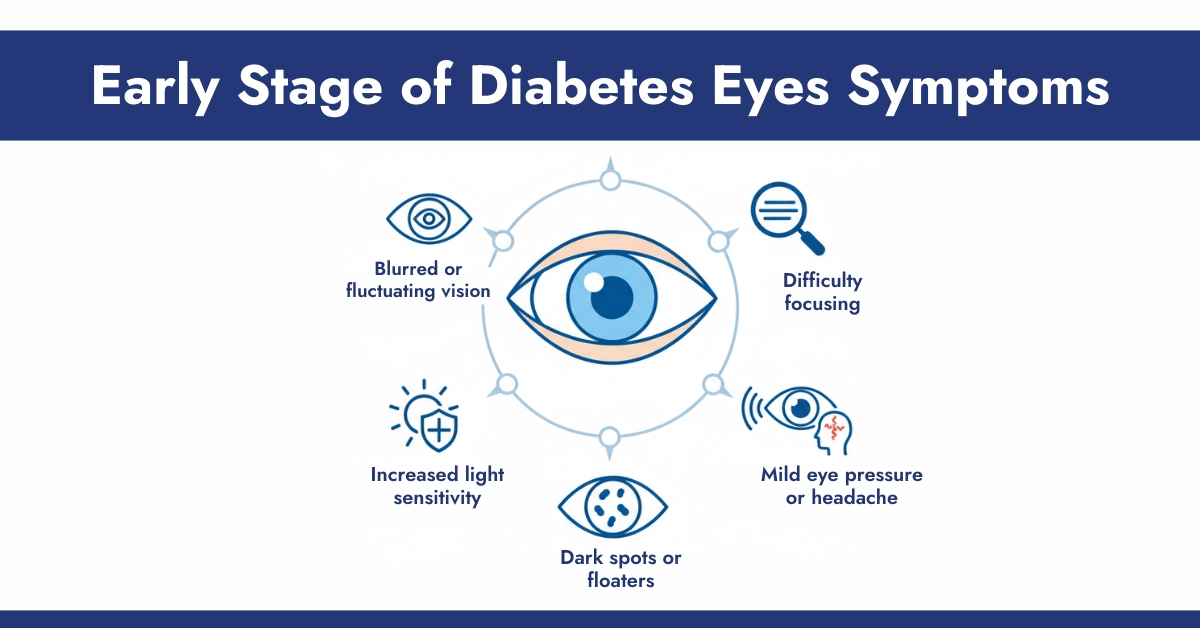
Common early-stage diabetes eye symptoms include:
- Blurred or fluctuating vision
- Difficulty focusing
- Increased light sensitivity
- Mild eye pressure or headache
- Dark spots or floaters
Temporary Blurred Vision from Blood Sugar Spikes
One of the most common complaints is blurred vision in diabetes. It typically feels like difficulty reading small text
and Cloudy or hazy vision. Frequent prescription changes often improve when blood sugar stabilises — but repeated spikes increase long-term risk.
Diabetic Associated Eye Disease and Vision Loss Risks
Long-term uncontrolled diabetes significantly increases eye risk
- Diabetic Macular Edema (DME): It involves the macula in the centre of the retina through its swelling and fluid accumulation that creates thickness and hazy vision.
- Cataracts: Patients suffering from diabetes mostly develop early cataracts. The lens present in the eye becomes cloudy, which worsens one’s field of vision.
- Glaucoma: Diabetes can doubly and triply a patient’s risk of creating glaucoma-that is, a group of conditions damaging the optic nerve. If not treated in time, it can cause irreversible blindness.
High blood sugar can also temporarily affect vision by changing the fluid balance in the eye, causing blurred vision in diabetes. Over time, repeated episodes can contribute to long-term diabetes on vision.
Can Diabetes Cause Permanent Blindness?
Yes, untreated diabetic eye disease can lead to blindness, and that is mostly common in the USA. However, complete blindness is preventable in most cases with early detection and proper management.
CDC Studies show only a small percentage of diabetics go blind — especially when routine eye care is maintained. Prevention with the use of cgm sensors and other medication is highly effective.
Risk Factors for Diabetic Eye Complications
Diabetics face a risk of eye complications, and the chances of problems developing increase with longer durations of diabetes and poorly controlled blood glucose levels.
Duration of diabetes: The Longer You Have Had Diabetes, the greater your chances are of having Retinopathy and other eye problems
Blood Glucose Level: Poorly controlled blood glucose worsens eye damage.
High Blood Pressure and Cholesterol: Most diabetic patients suffer from high blood pressure and cholesterol levels that result in worse complications with the eyes because of compression of the blood vessels from the condition.
Pregnancy: Pregnant women or women infected with gestational diabetes or any other type of diabetes may be more susceptible to complications because of diabetic retinopathy.
Ethnicity: African Americans, Hispanics, and Native Americans are at a higher risk of developing severe eye complications.
How Long Does It Take to Go Blind from Diabetes?
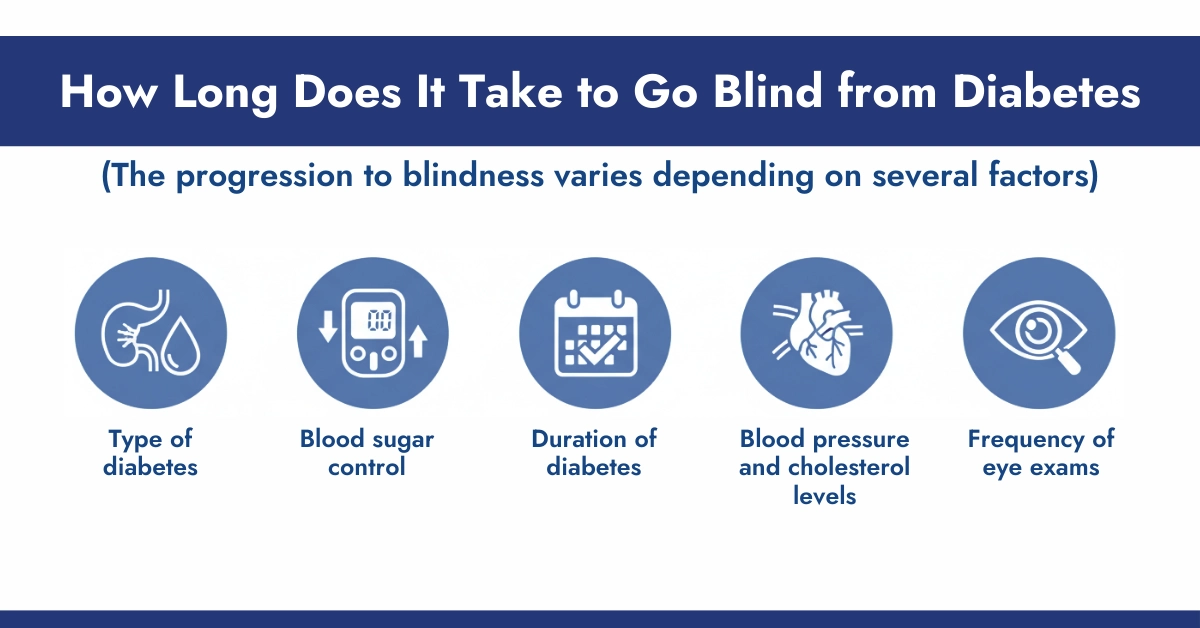
The progression to blindness varies depending on several factors:
Type of diabetes: Type 1 vs. Type 2
Blood sugar control: Poor glucose management accelerates damage
Duration of diabetes: Longer duration increases risk
Blood pressure and cholesterol levels: These contribute to eye health
Frequency of eye exams: Early detection through diabetic eye exams can halt progression
Blindness due to diabetes does not happen overnight. In most cases, significant vision loss can develop over 10-20 years if diabetes is poorly controlled. However, some people may experience faster deterioration if they have uncontrolled blood sugar, high blood pressure, or other complications.
Diabetes and Eye Care: Protecting Your Vision
The good news is that eye complications, most of which are preventable if kept under the right management. It includes the following essential steps to keep your vision safe:
1. Regular Eye Examination
All diabetics must undergo a comprehensive eye examination, including dilation, every year. Early detection is better than prevention. Annual diabetes eye exams can detect problems early, even before symptoms appear. An eye test for diabetes typically includes:
- Retinal examination
- Measurement of intraocular pressure
- Visual acuity tests
For individuals with Type 2 diabetes, it is recommended to have an eye exam at the time of diagnosis and then regularly thereafter. Pre-diabetes eyes can already show subtle changes, so early evaluation matters.
2. Maintain Your Blood Sugar Under Good Control
Blood sugar control is the cornerstone of diabetic eye care:
- Monitor blood sugar with the Dexcom G7 sensor (Adult Only) and eyesight regularly.
- Maintain HbA1c within the target range
- Eat a balanced diet and exercise regularly
Avoid smoking, which increases the risk of diabetes-related eye problems
3. Manage Blood Pressure and Cholesterol
Even diabetes can do more damage to the blood vessels in your eyes if you have high blood pressure and cholesterol. Maintaining your other risk factors in control by a healthy diet and regular physical activity will help.
4. Quit Smoking
If you smoke, diabetes complications, including eyesight damage, accelerate more quickly. Quitting smoking will significantly enhance your health and help you reduce the chances of acquiring diabetic eye diseases.
5. Healthy Diet and Exercise
Such a diet is rich in foods full of antioxidants and low in processed sugars. It will keep the sugar in your blood in balance while being watchful of your eyes. Regular exercise tends to improve general circulation flow, making it good for enhancing eye health as well.
CGM Monitors’ Tip: You can eat fruits in diabetes; here are the blog on selecting the best fruits for diabetes with low glycemic index options. It will help you to eat fruits after knowing the impacts.
6. Treatment Options (Last Option)
However, if you have already developed diabetes and eye health-related conditions such as diabetic retinopathy, there are treatments for these.
- Laser Therapy: In fact, the leaking blood vessels are sealed, and subsequent damage is prevented by lasers
- Injections: Actually, some drugs can be injected into the eye and may even hinder the inflammation, thereby slowing the disease
- Surgery: Surgery must be done in the advanced stage of diabetic retinopathy. Where scar tissue is removed and hence the vision is restored.
However, such treatments are most effective when applied at the earliest stage of the condition. This highlights the importance of performing regular eye exams.
Conclusion
So, does diabetes affect the eyes? Absolutely. But vision loss is not inevitable. With early detection, strict blood sugar control, annual diabetic eye exams and timely treatment you can maintain strong, healthy vision for years to come. Your eyes are a window to your overall health. If you live with diabetes proactive eye care is not optional. It is essential. Regular diabetes eye tests, maintaining stable blood sugar and eyesight, and following medical advice can protect your vision and prevent blindness from diabetes.
Remember: Early action today means you can enjoy healthy vision and eyesight health for years to come.
Take care of your eyes today, and it will be part of self-care for diabetes and a brighter, clearer tomorrow.
Source
Frequently Asked Questions
How does diabetes damage the eyes?
High blood sugar over time harms the tiny blood vessels in your retina (the back of your eye), causing them to leak, swell, or become blocked. This reduces blood flow and can lead to scarring or abnormal new vessel growth, threatening your vision.
How can people with diabetes protect their eye health?
Keep your blood sugar, blood pressure, and cholesterol in good control, eat a balanced diet with low glycemic index, stay active, quit smoking if you do, and get regular dilated eye exams. Good overall diabetes management is your best defense against eye issues.
How do diet and exercise impact diabetic eye health?
A healthy diet (low in processed sugars, rich in veggies and whole foods) and regular exercise help stabilize blood sugar levels, reducing stress on eye blood vessels and slowing or preventing damage like retinopathy. They make a real difference in keeping your eyes healthier longer.
What are the common eye problems caused by diabetes?
The main ones are diabetic retinopathy (damaged retina vessels), diabetic macular edema (swelling in the central retina), cataracts (cloudy lens, often earlier in diabetics), and glaucoma (increased eye pressure damaging the optic nerve).
What is diabetic retinopathy?
It’s the most common diabetes-related eye disease where high blood sugar damages retina blood vessels, leading to leaks, swelling, or abnormal new vessels. It can progress from mild (no symptoms) to severe, potentially causing vision loss if not managed.
Why is early detection of diabetic eye disease important?
Early detection through regular exams catches problems before symptoms appear or vision is badly affected. Timely treatment can prevent or delay serious damage, often saving most of your sight—waiting until you notice issues is usually too late.
Why do some diabetics develop eye problems while others don't?
It depends on how long you’ve had diabetes, how well your blood sugar is controlled, plus factors like blood pressure, cholesterol, smoking, and genetics. Tight control greatly lowers your risk, even if others with poor management face more issues.
Where can diabetics get specialized eye care for their condition?
See a retina specialist or ophthalmologist experienced in diabetic eye disease—they offer advanced exams, treatments like injections or laser, and ongoing monitoring tailored to diabetics.
When should a diabetic see an ophthalmologist urgently?
Go right away if you suddenly notice blurred or distorted vision, lots of floaters, dark spots, flashes of light, or vision loss in one area—these could signal bleeding, detachment, or advanced retinopathy needing immediate care.
When is laser treatment recommended for diabetic eye disease?
Laser is often used for proliferative retinopathy to shrink abnormal vessels or for macular edema to seal leaks and reduce swelling, helping preserve vision when other treatments aren’t enough or as a targeted option.
Who is at highest risk for diabetic eye complications?
Those with long-standing diabetes (especially over 10+ years), poor blood sugar control, high blood pressure/cholesterol, kidney issues, pregnancy, or smokers face the highest risk—tight management lowers it significantly.
What are the symptoms of Diabetic retinopathy?
Early stages often have no symptoms. Later, watch for blurred/distorted vision, floaters (dark spots/strings), dark/empty vision areas, trouble with colors or night vision, or sudden vision changes—don’t ignore even mild shifts.
Define Macular edema diabetes treatment?
Treatment focuses on controlling blood sugar plus eye injections (anti-VEGF like Eylea or Lucentis) to reduce swelling and leakage—often the first choice for best results. Laser or steroids may help in some cases, but injections usually improve vision most effectively.
Top Selling Products



Featured Products





Write a comment
Your email address will not be published. All fields are required