

Table of content
Managing Type 1.5 diabetes, or Latent Autoimmune Diabetes in Adults (LADA), presents unique challenges. This hybrid form of diabetes combines characteristics of both Type 1 and Type 2 diabetes, making its management complex. However, emerging treatments like Ozempic (semaglutide) offer new hope and opportunities for improving outcomes.
This article breaks down the science, the rationale, and the real-world considerations behind Ozempic for Type 1.5 diabetes, helping you understand whether it may play a meaningful role in care—now or in the future.
Understanding LADA: Type 1.5 Diabetes
Type 1.5 diabetes (LADA) is an autoimmune condition that shares characteristics of both Type 1 and Type 2 diabetes. It means you have experiencing mix symptoms of both types of diabetes. Let’s understand it with common features:
Key features include
- Autoimmune destruction of insulin-producing beta cells
- Adult onset (typically over age 30)
- Initial response to oral medications
- Gradual progression toward insulin dependence
- Presence of insulin resistance in many patients
Because LADA progresses more slowly than classic Type 1 diabetes, it is often misdiagnosed as Type 2, leading to suboptimal treatment strategies and delayed insulin support.
Ozempic and its Working Principles
Ozempic (semaglutide) is a GLP-1 receptor agonist originally approved for:
- Type 2 diabetes management
- Blood sugar control
- Cardiovascular risk reduction
Mechanism
- Stimulating glucose-dependent insulin secretion
- Suppressing excess glucagon release
- Slowing gastric emptying
- Reducing appetite and improving insulin sensitivity
Unlike insulin, Ozempic does not force glucose into cells—it enhances the body’s natural regulatory mechanisms
Potential Benefits of Ozempic for Type 1.5 Diabetes
Ozempic is a medication primarily used for Type 2 diabetes, classified as a GLP-1 receptor agonist. It works by mimicking the natural hormone GLP-1 to help regulate blood sugar levels. Here’s why Ozempic is garnering attention for people with Type 1.5 diabetes:
Improves Glycemic Variability
People with Type 1.5 often experience unstable blood sugar swings. By slowing digestion and reducing post-meal glucose spikes, Ozempic may improve time-in-range stability.
Dual Benefits for Blood Sugar Control
Ozempic’s ability to enhance insulin secretion and reduce glucose production offers a unique advantage for managing blood sugar levels. For individuals with Ozempic for Type 1.5 diabetes, who often experience a cmbination of insulin resistance and autoimmune beta-cell destruction, Ozempic’s dual action can be particularly beneficial. It can help stabilize blood sugar levels, providing better control alongside insulin therapy.
Support for Weight Management
Weight management is crucial for overall health, particularly in diabetes care. Many people with Type 1.5 diabetes struggle with weight issues, which can impact glucose control. Ozempic for Type 1.5 diabetes has been shown to aid in weight loss, which can complement diabetes management and improve overall health. This effect can help individuals achieve a healthier weight, potentially leading to improved insulin sensitivity and better glucose control.
Enhanced Quality of Life
Effective diabetes management goes beyond controlling blood sugar levels; it also involves improving quality of life. Ozempic’s positive effects on blood glucose control and weight management can lead to fewer fluctuations in blood sugar, reducing the risk of complications and enhancing daily well-being. By integrating Ozempic into a comprehensive treatment plan, individuals with Type 1.5 diabetes may experience more stable glucose levels and a better quality of life.
Important Safety Considerations
Ozempic is not a replacement for insulin in Type 1.5 diabetes.
Key considerations include:
- Risk of diabetic ketoacidosis (DKA) if insulin is reduced improperly
- Gastrointestinal side effects (nausea, vomiting, delayed digestion)
- Need for close glucose monitoring
- Individual variation in response
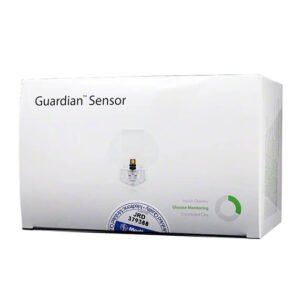
For people with advanced beta-cell loss, Ozempic alone is not sufficient. It should only be considered as a supportive therapy like maintaining blood sugar with the help of New Dexcom G7 CGM Monitors’ sensors.
Future Aspects
The growing interest in Ozempic for Type 1.5 diabetes reflects a broader shift toward precision diabetes care.
As research expands, we may see:
- Formal guidelines for GLP-1 use in LADA
- Combination therapy models
- Personalized treatment based on beta-cell reserve and insulin sensitivity
For now, Ozempic represents a promising—but carefully applied—option rather than a universal solution.
Conclusion
The potential benefits of Ozempic for Type 1.5 diabetes represent an exciting advancement in diabetes care. With its ability to improve blood sugar control and support weight management, Ozempic offers new hope for managing this complex condition effectively. As research continues and more is learned about its role in Ozempic for Type 1.5 diabetes, it’s important to stay informed and collaborate with your healthcare team to make the most of this innovative treatment.
If you have Type 1.5 diabetes and are curious about how Ozempic might enhance your management plan, discuss it with your healthcare provider. Together, you can explore this promising option and develop a strategy that supports your health and well-being.
Embrace the potential of new treatments and stay proactive in managing your diabetes. With the right approach, you can achieve better control, improve your quality of life, and look forward to a healthier future. You can also buy our top seller product New Dexcom G7 sensor from our store CGM Moniors at reasonable price.
Frequently Asked Questions
What is Ozempic and how does it work?
Ozempic (semaglutide) is a GLP-1 receptor agonist primarily used to manage Type 2 diabetes. It helps regulate blood sugar levels by enhancing insulin secretion, reducing glucose production, and slowing gastric emptying.
What is Ozempic and how does it work?
Ozempic (semaglutide) is a GLP-1 receptor agonist primarily used to manage Type 2 diabetes. It helps regulate blood sugar levels by enhancing insulin secretion, reducing glucose production, and slowing gastric emptying.
What is Type 1.5 diabetes and how does Ozempic fit into its treatment?
Type 1.5 diabetes (also called LADA or latent autoimmune diabetes in adults) is a slow-progressing autoimmune condition that starts in adulthood with some insulin production left, but eventually leads to insulin dependence. Ozempic fits as an early add-on treatment (often off-label) to help control blood sugar while beta cells are still working, usually combined with diet, exercise, and sometimes low-dose insulin.
How does Ozempic work specifically in individuals with Type 1.5 diabetes?
Ozempic (semaglutide) mimics the GLP-1 hormone to stimulate remaining beta cells to release insulin after meals, slow stomach emptying to blunt glucose spikes, and reduce liver glucose output—helping manage blood sugar in the early phase of LADA when some natural insulin production remains.
What benefits might Ozempic offer for someone with Type 1.5 diabetes?
Ozempic Type 1.5 diabetes benefits include improved A1C, modest weight loss, fewer blood sugar swings, possible slower loss of beta-cell function in early stages, and sometimes reduced insulin doses needed compared to insulin-only regimens.
Why is Ozempic being considered as a treatment option for Type 1.5 diabetes?
Ozempic for LADA treatment is considered because it targets insulin resistance and post-meal spikes effectively in the honeymoon/early phase of LADA, offers weight management advantages, and may help preserve remaining beta-cell function longer than some traditional oral agents alone.
Why would a doctor prescribe Ozempic instead of insulin for Type 1.5 diabetes?
A doctor might choose Ozempic (or add it before full insulin) in early Type 1.5 diabetes when beta cells still produce meaningful insulin, to improve control, promote weight loss, reduce injection burden, and potentially delay or minimize daily insulin requirements.
Why is it important to continue monitoring blood sugar when taking Ozempic for Type 1.5 diabetes?
Ongoing blood sugar monitoring is critical because the autoimmune destruction of beta cells continues over time, so insulin production can drop suddenly—Ozempic alone cannot prevent highs or lows as the disease progresses toward full insulin dependence.
Who should not take Ozempic if they have Type 1.5 diabetes?
People with a personal/family history of medullary thyroid carcinoma or MEN 2 syndrome, history of pancreatitis, severe gastroparesis, advanced LADA with virtually no remaining beta-cell function (C-peptide very low), or known hypersensitivity to semaglutide should avoid Ozempic.
When should Ozempic be started for newly diagnosed Type 1.5 diabetes?
Ozempic can be considered soon after diagnosis if antibody tests confirm LADA, C-peptide shows preserved beta-cell function, and blood sugar is not easily controlled with lifestyle/oral agents—often as an early add-on before or alongside starting insulin.
When is the best time of day to take Ozempic for Type 1.5 diabetes?
There is no strict best time—take the once-weekly injection on the same day each week at any convenient time of day, with or without food, since its long-acting effect provides steady coverage regardless of injection timing.
Are there any risks associated with using Ozempic for Type 1.5 diabetes?
Potential risks include hypoglycemia (especially when combined with insulin), gastrointestinal side effects (like nausea and diarrhea), and the need for close monitoring. Always discuss these risks with your healthcare provider.
What should I do if I experience side effects while using Ozempic?
Report any side effects to your healthcare provider promptly. They can help manage these effects and determine whether adjustments to your treatment are needed.
Top Selling Products



Featured Products








Write a comment
Your email address will not be published. All fields are required