
Table of content
- What is Hypoglycemia?
- Symptoms of Hypoglycemia: Common to Severe
- Nighttime Hypoglycemia Symptoms: Silent But Dangerous
- Why Hypoglycemia Symptoms Are Often Misdiagnosed
- Common Causes of Hypoglycemia in Diabetics
- Special Considerations For Hypoglycemia Condition
- Fast and Effective Treatment for Hypoglycemia
- Best Foods for a Hypoglycemia-Friendly Diet
- Daily Tips for Managing Hypoglycemia Safely
- Conclusion:
- Frequently Asked Questions
If you have diabetes and suddenly feel dizzy, shaky, and lose control of your body in the middle of your day or especially at night, these could be hypoglycemia symptoms. It is a common but unpredictable challenge. When you recognize the hypoglycemia symptoms early, you can prevent serious complications and help you take immediate action. If you ignore the early symptoms, it will quickly lead to serious complications. Understanding the signs, knowing how to treat low blood sugar fast, and learning how to prevent future episodes can help you stay safe and in control of your health.
What is Hypoglycemia?
Hypoglycemia is also known as a low blood sugar condition in diabetics. It mainly happens when your blood glucose drops below 70mg/dL. Glucose is the main source of energy for your brain and body. When the glucose level is low, it can affect how you think, move, and react.
People Most at risk Include:
- People with diabetes
- People who use insulin or many types of medications
- Those who skip meals or even eat irregularly
- People who exercise intensely without taking proper nutrients
If you recognize hypoglycemia symptoms early, it is important to prevent complications.
Symptoms of Hypoglycemia: Common to Severe
The hypoglycemia symptoms fall into two categories: adrenergic and neuroglycopenic.
The Adrenergic (Early) Symptoms Include:
- Shakiness
- Sweating
- Hunger
- Rapid heartbeat
- Anxiety-like feelings
The Neuroglycopenic (Advanced) Symptoms Include:
- Confusion
- Blurred vision
- Difficulty speaking
- Brain damage
- Need for glucagon
- Sudden death
- Seizures
- Loss of consciousness.
For your information: The American Diabetes Association classifies hypoglycemia into three levels. Level 1 (glucose <70 mg/dL) includes early symptoms. Level 2 (glucose below 54 mg/dL) represents moderate to severe symptoms requiring immediate treatment. Level 3 indicates severe cognitive impairment requiring assistance from another person.
Nighttime Hypoglycemia Symptoms: Silent But Dangerous
Waking with night sweats, headaches, or extreme fatigue can be signs of nighttime hypoglycemia. Because sleep reduces symptom awareness, nighttime episodes are especially dangerous. Clinical studies suggest that a significant proportion of severe hypoglycemic events occur during sleep, making early detection critical.
NIH research reveals that nearly half of all severe hypoglycemic events occur during sleep. Without conscious awareness, you can’t self-treat.
Warning signs include:
- Night sweats that drench bedding
- Vivid nightmares or night terrors
- Morning headaches and fatigue
- Waking with a racing heart
For those living alone, this vulnerability creates profound anxiety. CGM Monitors addresses this fear directly through continuous glucose monitoring technology. The Freestyle Libre 3 Plus sensor sends real-time alerts to your smartphone before your glucose reaches dangerous levels, even while you sleep. Unlike intermittent fingerstick checks, this CGM device provides 24/7 monitoring, sounding alarms that can wake you during early-stage drops.
Why Hypoglycemia Symptoms Are Often Misdiagnosed
Low blood sugar (hypoglycemia) can be tricky to recognize because its symptoms are often vague and easy to confuse with other things. For example:
- Sweating, trembling, or a fast heartbeat can feel like anxiety or panic.
- Fatigue might seem like just normal tiredness.
- Tingling lips or weakness can easily be overlooked.
A key indicator: if symptoms improve within 10–15 minutes after consuming fast-acting carbohydrates, hypoglycemia was likely the cause.
Common Causes of Hypoglycemia in Diabetics
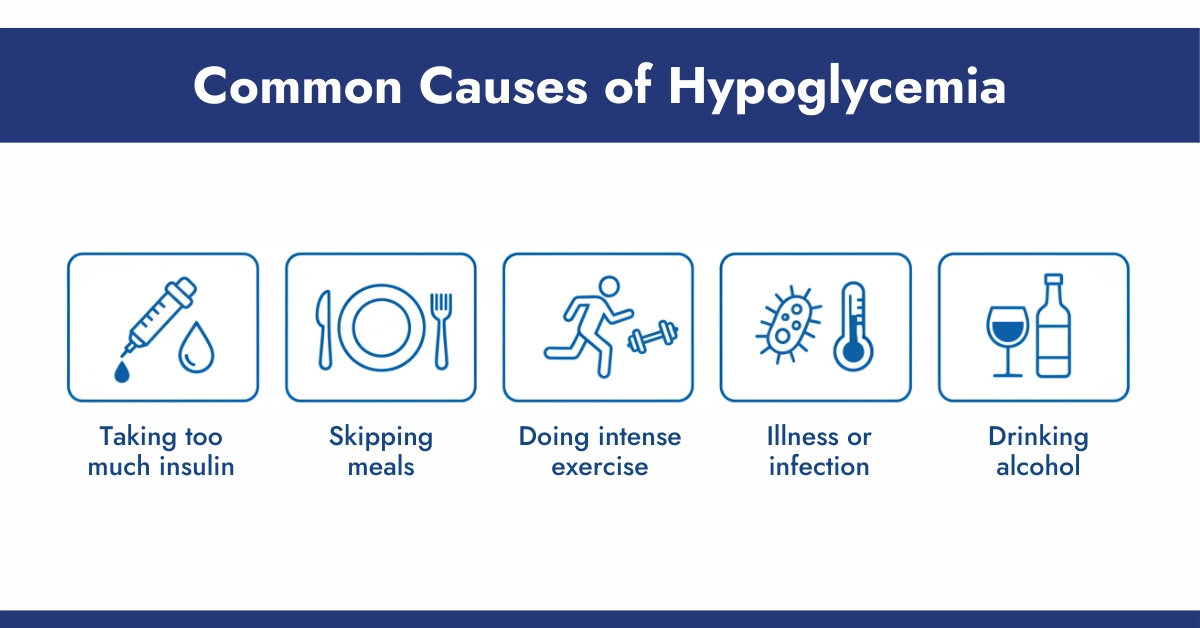
Understanding triggers helps prevent the fear of sudden attacks. In diabetes, causes include:
- Taking too much insulin
- Skipping meals
- Doing intense exercise
- Illness or infection
- Drinking alcohol without food.
Non-Diabetic causes: They are less common. Hormonal problems, liver or kidney disease, or rare tumors can also cause low blood sugar.
According to MayoClinic, sudden insulin spikes after eating can cause low blood sugar symptoms, even in people who don’t have diabetes. This can explain symptoms like sweating and shakiness after meals.
Special Considerations For Hypoglycemia Condition
- Children: Young children don’t recognize or even communicate the symptoms. So parents must check their changes like unusual crying, irritability, and refusing favorite food.
- Older Adults: Aging reduces awareness of hypoglycemia symptoms. Older adults may experience more cognitive symptoms and fewer physical warning signs. Falls from dizziness or confusion pose serious injury risks
- Pregnant Women: Pregnancy changes insulin sensitivity dramatically. Frequent hypoglycemia during pregnancy requires close monitoring and medication adjustments. The Freestyle Libre 2 Plus provides continuous tracking without frequent finger sticks, reducing the burden during an already challenging time.
- Athletes: Intense exercise dramatically increases glucose consumption. Athletes with diabetes must learn to adjust insulin doses and carbohydrate intake around training.
For your information: If you are struggling with frequent episodes, discussing your treatment for low blood sugar episode patterns with your doctor is essential. They can help adjust medication plans
Fast and Effective Treatment for Hypoglycemia
When symptoms appear, immediate action is essential.
The 15–15 Rule
- Check blood glucose (if possible)
- Consume 15 grams of fast-acting carbohydrates
- Wait 15 minutes, then recheck glucose
- Repeat if levels remain below 70 mg/dL
- Eat a balanced snack if your next meal is not soon
Fast-acting options include:
- Fruit juice (4 oz)
- Regular soda (½ cup)
- Glucose tablets
- Honey or sugar (1 tablespoon)
If the person cannot swallow or is unconscious, glucagon should be administered by another person and emergency medical help should be called immediately.
Best Foods for a Hypoglycemia-Friendly Diet
- Whole Grains: Oatmeal, quinoa, and brown rice release glucose gradually.
- Apples: Fiber-rich, low GI (36), stabilizes without crash.
- Berries (e.g., strawberries): Antioxidants and fiber for slow release.
- Oranges: Vitamin C boost, moderate GI (40).
- Bananas: Quick potassium and carbs for fast relief.
Advice from CGM Monitors: Never drink alcohol on an empty stomach because the alcohol can impair your body’s ability to regulate blood sugar for up to 24 hours.
Daily Tips for Managing Hypoglycemia Safely
Living with hypoglycemia means being a little more mindful every day, but it’s totally manageable.
- Always manage your blood sugar and consult with your doctor to adjust your insulin and any medication that you use
- Eat a meal properly and on time daily without skipping it
- Sleep 7-8 hours because sleep helps your body to control blood sugar.
- Always carry some sweet things in your pocket because when you feel hypoglycemia symptoms, you can eat them
- Manage your stress by doing a light walk, deep breathing, or you can also listen a relaxing music because stress can drop your sugar unexpectedly
- Use an advanced CGM monitor sensor like new Dexcom G7 that alerts you or people, so they can help you if your blood sugar drops too low and you can’t speak.
Conclusion:
Hypoglycemia can be frightening, but it is manageable with the right knowledge, preparation, and tools. Recognizing early symptoms, acting quickly, eating regularly, and using monitoring strategies can significantly reduce risks. Listening to your body and working closely with your healthcare provider allows you to manage low blood sugar confidently and safely.
Frequently Asked Questions
How do I recognize early signs of low blood sugar?
Early signs include shakiness, sweating, hunger, dizziness, weakness, anxiety, and a fast heartbeat.
How can I tell if my symptoms are hypoglycemia or anxiety?
If your symptoms improve within about 15 minutes after eating or drinking something sugary, it is likely hypoglycemia rather than anxiety.
What are the symptoms of hypoglycemia vs. hyperglycemia?
Hypoglycemia causes shakiness, sweating, confusion, and weakness.
Hyperglycemia causes increased thirst, frequent urination, fatigue, and blurry vision, usually developing over time.
Why do some people get hypoglycemia symptoms without diabetes?
Low blood sugar can occur due to skipped meals, sudden insulin release after eating, hormonal imbalances, or long periods without food.
When should I seek medical help for hypoglycemia symptoms?
Seek medical help if symptoms are severe, occur frequently, involve confusion or fainting, or do not improve after treating low blood sugar.
Disclaimer:
This article is meant for general awareness only. It should not be used as a substitute for medical advice, diagnosis, or treatment. Always speak with a qualified healthcare provider about any concerns or decisions related to blood sugar management. Some visuals in this content are AI-generated and included only to help explain the topic.


Write a comment
Your email address will not be published. All fields are required