
Table of content
- What Is the Best Continuous Glucose Monitor for Non-Diabetics?
- Why Would a Non-Diabetic Use a CGM?
- What Are the Benefits of Using a CGM Without Diabetes?
- Is It Safe for Non-Diabetics to Use a CGM?
- Can a CGM Help Non-Diabetics with Weight Loss or Fitness?
- Are There Any Drawbacks to Using a CGM for Non-Diabetics?
- Do Non-Diabetics Need a Prescription for CGMs?
- Best CGMs for Non-Diabetics: Points that Must Be Considered
- Conclusion
In recent years, the Benefits of CGM for Non Diabetics technology have transformed diabetes management by providing instantaneous glucose data to users. Conventionally used by persons with diabetes, CGM is now gaining consideration for its benefits beyond handling blood sugar levels. Today, we explore how CGM can be beneficial for non-diabetics and giving answers to the common queries asked bythe non diabetic persons.
What Is the Best Continuous Glucose Monitor for Non-Diabetics?
The best CGM for non-diabetics is one that is over the counter, easy to use, accurate, and app-compatible.
Top options include:
- Dexcom Stelo – real-time tracking, no fingersticks
- Abbott Lingo (for wellness users) – designed for non-diabetics
These devices provide continuous, real-time glucose data, helping you understand how your body responds to food, exercise, and stress.
Why Would a Non-Diabetic Use a CGM?
Non-diabetics use CGMs for health optimization, not disease management like a diabetic patient do.
Common Reasons to Get OTC CGM:
- Improving energy levels.
- Supporting weight loss goals.
- Tracking how food affects blood sugar.
- Identifying hidden sugar spikes.
- Enhancing athletic performance.
It turns invisible data into actionable health insights.
What Are the Benefits of Using a CGM Without Diabetes?
Using a CGM offers several practical benefits:
1. Better Food Awareness
A non-diabetic person can see exactly how different foods impact their glucose levels.
2. Stable Energy Levels
Avoid sugar spikes and crashes that cause fatigue.
3. Improved Metabolic Health
Helps reduce long-term risks like insulin resistance.
4. Personalized Diet Decisions
No more guessing—your body tells you what works.
Is It Safe for Non-Diabetics to Use a CGM?
Yes, CGMs are generally safe for non-diabetics when used correctly.
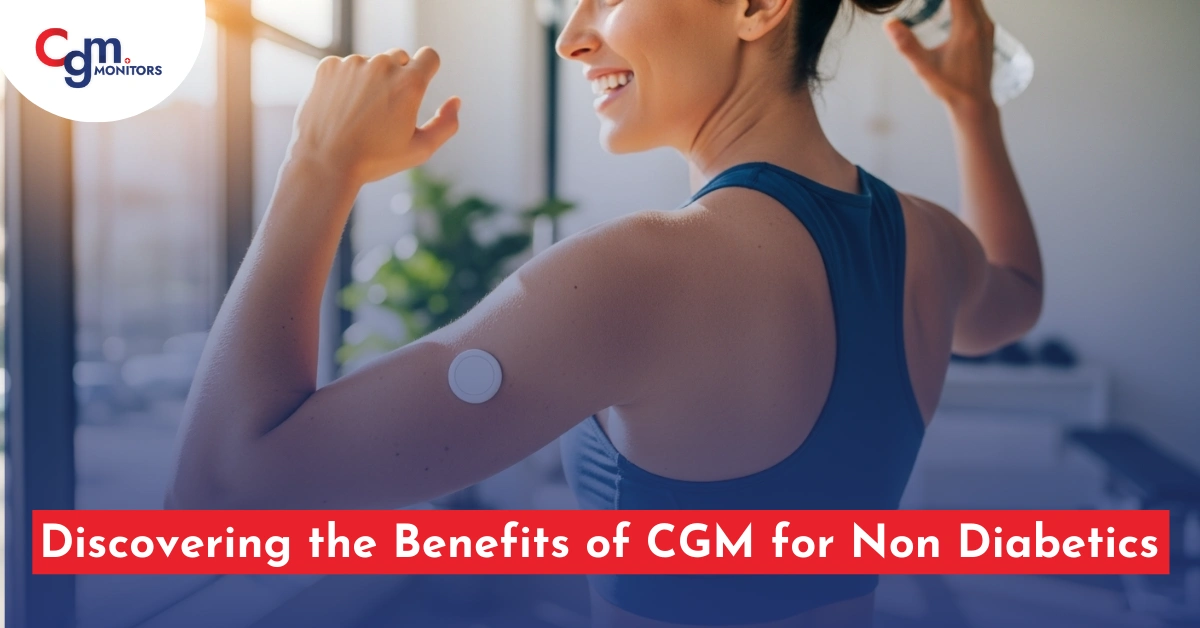
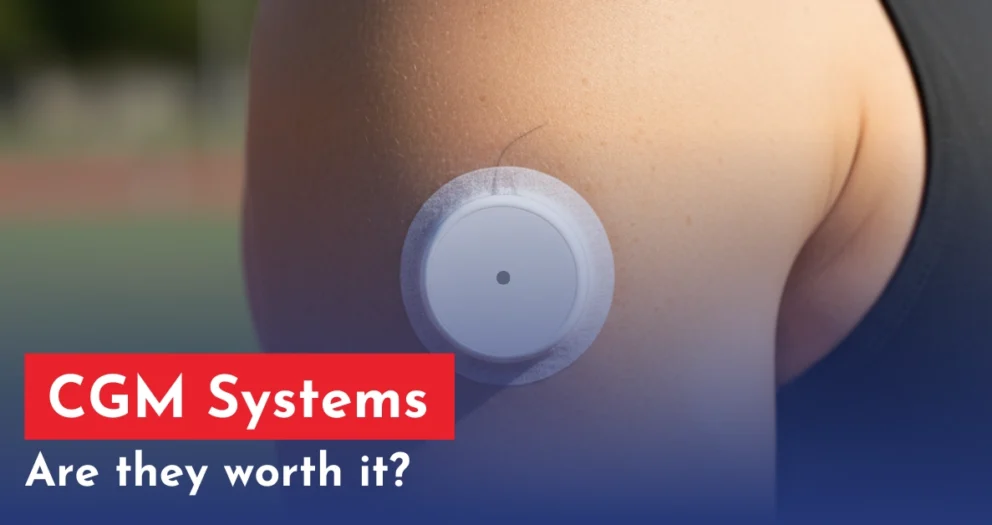
These devices involve a small sensor placed under the skin, usually on the arm, which measures glucose levels in the interstitial fluid. The process is minimally invasive and typically painless.
They are:
- FDA-approved devices (for glucose monitoring).
- Minimally invasive (small sensor under the skin).
- Easy to apply and remove.
However:
- Some people may experience mild skin irritation.
- Data should be used for guidance—not self-diagnosis.
Can a CGM Help Non-Diabetics with Weight Loss or Fitness?
Yes, a CGM can be a powerful tool for weight loss and fitness optimization.
By tracking your glucose levels, you can:
- Improve workout timing based on energy levels.
- Identify foods that cause fat-storing spikes.
- Choose meals that keep your blood sugar stable.
- Enhance recovery by understanding how your body responds post-exercise.
For example, you might notice that a high-protein breakfast keeps your glucose stable, while a high-carb meal causes spikes and crashes. This insight helps you build a diet that supports fat loss and sustained energy.
Are There Any Drawbacks to Using a CGM for Non-Diabetics?
While CGMs offer many benefits, there are a few limitations to consider.
- Data overload may cause unnecessary stress for some users
- Minor skin irritation can occur in sensitive individuals
- Cost can be high without insurance coverage
Also, not every glucose spike is harmful. Misinterpreting data without proper knowledge can lead to confusion. That’s why it’s important to use CGMs as a guidance tool rather than a strict rulebook.
In March 2024. The US FDA cleared the Dexcom Stelo Glucose Biosensor system, the first OTC CGM for adults (18+) who do not use insulin, including those without diabetes.
Do Non-Diabetics Need a Prescription for CGMs?
In many cases, yes, especially for devices like Dexcom or Libre.
However:
- Some wellness programs like itself CGM monitors now offer CGMs without traditional prescriptions.
- New products are being designed specifically for non-diabetics.
You can buy Abbott Lingo Dexcom Stelo OTC CGMs on the CGM Monitors platform without prescriptions with an affordable prices.
Best CGMs for Non-Diabetics: Points that Must Be Considered
A CGM that offers real-time glucose tracking to monitor daily patterns easily
- Choose one with affordable sensors and good battery life.
- Prefer CGMs that provide trend analysis, not just numbers.
- Should be easy to apply and comfortable for continuous wear.
- Look for devices with a mobile app for instant data and insights.
- High accuracy and no fingerstick calibration is a major advantages.
- A simple, beginner-friendly interface is ideal for non-diabetic users.
Conclusion
The benefits of CGM for Non Diabetics are not just game-changer management of diabetes but also grasp promise for enhancing the health and comfort of non-diabetic persons. By providing actual visions into metabolic responses and easing knowledgeable lifestyle selections, CGM allows users to take active steps toward attaining and keeping ideal health. Whether you’re motivated by a top physical routine or directed to avoid future health difficulties, CGM technology proposals are a valuable tool for modified health management.
Implementing CGM as an active health monitoring tool signifies an important step toward a future where persons can improve their well-being through data-driven visions and up-to-date decision-making.
Top Selling Products

Feature Products


Write a comment
Your email address will not be published. All fields are required